
 Emissions calculator


Improving soil health and farm efficiency can support productivity, profitability and lower on-farm emissions. Many growers are already demonstrating that these outcomes can go hand in hand.
What’s working on cropping and horticulture farms
See the practical changes growers across the country are making, the lessons they’ve learned and what’s working under New Zealand's conditions.
Case studies
-
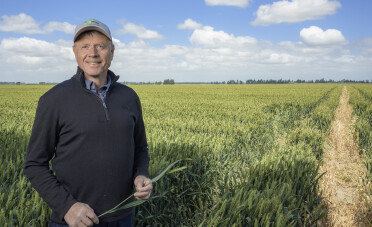
Craige Mackenzie, Canterbury
Mid-Canterbury arable and dairy farmer Craige Mackenzie's philosophy is right input, right quantity, right place, right time—which makes sense for his business and for the land, waterways and climate.
-
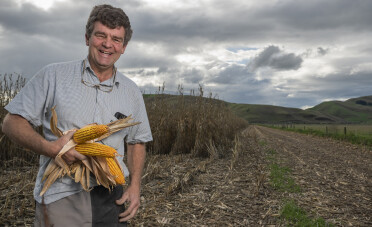
Efficient farming for future sustainability
An emphasis on efficiency improvements and soil health are helping keep greenhouse gas emissions down on Hugh Ritchie's complex arable, livestock and horticulture operation in Hawke's Bay.
-
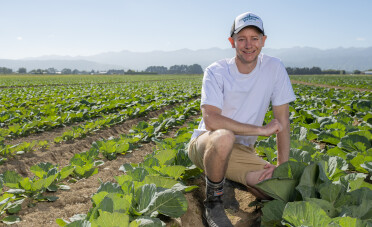
Growing more with less environmental impact
At Woodhaven Gardens near Levin, Jay Clarke and his family have been figuring out how to reduce their vegetable farm's impact on the climate.
-

Farming with whakapapa and the future in mind
Farming has long been a way of life for Orete – a Māori Incorporation with 1,500 owners on the tip of the remote East Cape. Te Taiao is at the heart of all they do, including finding ways to keep their agricultural greenhouse gas emissions down.
-
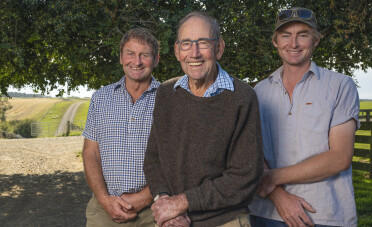
Soil health and innovation focus help reduce emissions
A passion for innovation has been a common thread through four generations of farmers on the Abbiss' property near Halcombe. Now they're turning their attention to how they might reduce their impact on the climate.
-
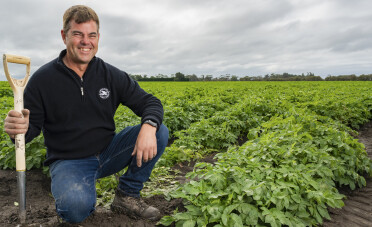
Robin Oakley, Canterbury
Fifth generation farmer, Robin Oakley, has been growing vegetables in Canterbury since he was a kid and now supplies supermarkets around the country. His family is committed to sustainable farming and is starting to think about what that means for the climate.
Practical actions cropping and horticulture growers are exploring
-
Nitrogen fertiliser
For some farms, reducing nitrogen use or applying it more strategically can lower nitrous oxide emissions and reduce costs without significantly affecting production. The right approach will depend on your soils, climate and farm system.
-
Trees and vegetation
There are many benefits from planting trees or restoring woody vegetation on a farm, including to help combat climate change by removing carbon dioxide. However, it's a complex topic.
-
Potential actions
Explore emerging options and future technologies currently being researched. These approaches are showing promise, but more evidence is needed before they are recognised in New Zealand's national greenhouse gas inventory.
Next steps: What actions could work on your farm?
There’s no one-size-fits-all approach when it comes to improving farm performance and reducing on-farm emissions.
Next steps:
-
Improve efficiency and make better use of inputs.
-
Calculate your farm’s greenhouse gas emissions.
-
Set practical goals that work for your farm.
Not sure where to start?
-
Understand the basics of agricultural emissions.
-
Or jump straight into the emissions calculator.